Can You Grow Chinese Silver Grass From Seed? What to Know
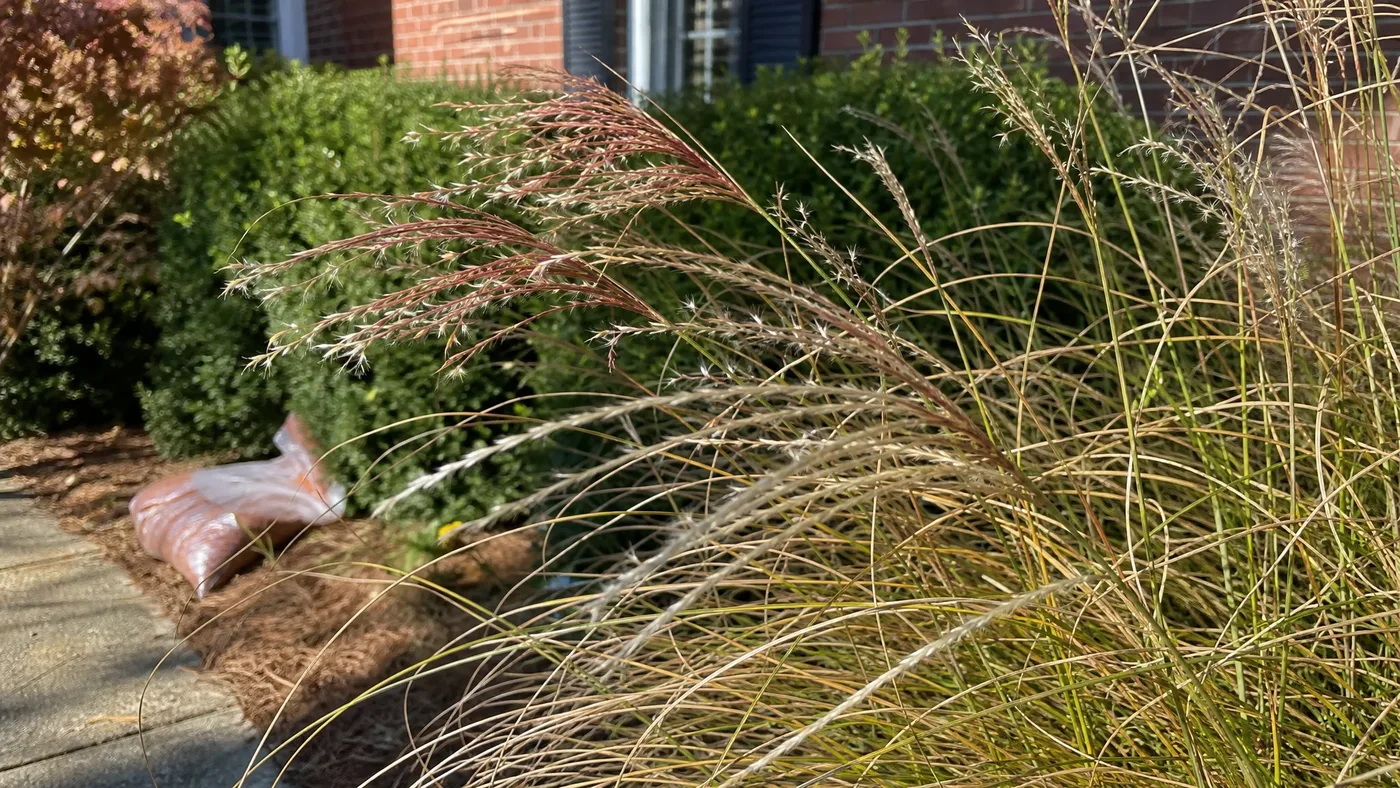
A single plume can carry hundreds of seeds, and almost none of the seedlings will match the parent. You see it on a calm October afternoon, when the plumes on your Chinese Silver Grass loosen into fluff and a few seeds cling to your sleeve. It is natural to wonder whether those could become new plants.
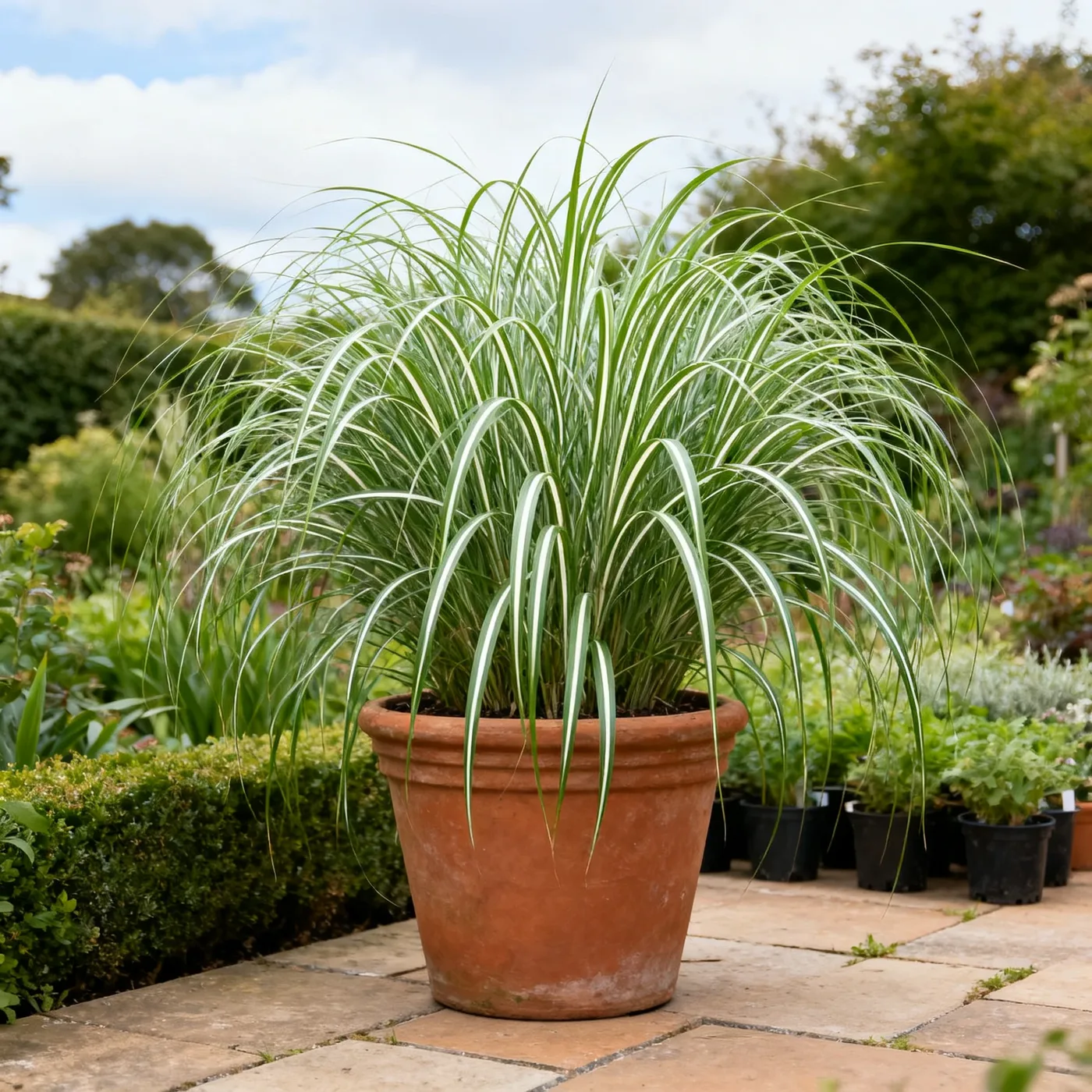
They can. They just will not be 'Gracillimus'. Treated as an experiment, seed is cheap and interesting. Treated as a way to fill a border with matching clumps, it ends in a row of mismatched grasses.
Below, you'll find out all about growing this grass from seed, including how to collect and sow it, what germination looks like, how to pot up the young plants, what the results turn out like, and the division method that gives you true copies.
Why Chinese Silver Grass 'Gracillimus' Will Not Come True
Start with the rule that decides everything else. 'Gracillimus' is a named clone, and clones do not breed true from seed.
One Plant, Many Divisions
Every 'Gracillimus' in the trade descends from one original plant, multiplied by splitting. That is why they all share the same fine, arching leaves. UF/IFAS describes the cultivar as having narrower leaves than the species, with fall bloom and an upright habit.
Seed Reshuffles the Traits
A seed forms when pollen from one plant fertilizes a flower on another. Each seed carries a new mix of traits from both parents. Your clump may have been pollinated by a different clump down the street, so the seedlings can lean toward any of the species' many forms.
The species varies widely. NC State lists Miscanthus sinensis at 4 to 12 feet tall, while 'Gracillimus' stays at 5 to 6 feet according to UF/IFAS. Seedlings can land anywhere in that range. Hardiness shifts too. The species is listed for zones 4 through 9, and the cultivar for zones 6 through 9.
Why No Sowing Trick Fixes This
You will read that seed from a plant gives you the same plant. For a species, that is roughly true. For a named selection it is wrong. Better light, warmer mats and fresher seed all improve germination, and none of them changes what the seedlings inherit. If you need matching plants, skip ahead to the division sections below.
Collecting Seed Heads From Chinese Silver Grass
If you still want to try, harvest at the right moment and check that the seed is real before you sow anything.
Pick the Right Moment
'Gracillimus' bears pink flowers in late summer and fall. Wait until the plumes turn from pink-tinged to fluffy and tan, and the fluff starts to release when you stroke the stem. Cut whole plumes on a dry day, because damp heads mold in a bag.
In cooler gardens the bloom is late, so seed has little time to ripen. Frost can end the season before the seed is mature. If your plumes are still tight and pink at the first hard frost, expect little viable seed.
Check for Fertile Seed
Many seeds in a fluffy head are empty. Rub a plume over a white sheet of paper and look at what falls out. Fertile seed is a plump, dark grain at the base of the fluff. Flat, pale husks are empty.
NC State lists 'Gracillimus' with low seed set. Customers usually ask us why their plumes give so little seed, and that is the reason. Collect from several plumes and expect most of what you gather to be chaff.
Dry and Store
Spread the heads on paper indoors for a few days. Rub out the seed, then keep it in a paper envelope somewhere cool and dry until sowing. Label the envelope with the plant and the year. Do not seal damp seed in plastic, because it molds within days.
Sowing Seed at 70 Degrees on the Surface
Miscanthus seed is tiny and needs light to germinate, so the method is simpler than most seed-starting. Do not bury it.
Mix, Tray and Light
Fill a shallow tray with a fine, sterile seed-starting mix and moisten it before you sow. Scatter the seed on top and press it lightly into contact with the mix. Do not cover it. Put the tray under bright light, because shade slows or stops germination.
A south window in late winter is thin light for this job. A basic grow light hung a few inches above the tray gives more reliable results and keeps the first leaves from stretching.
Temperature and Moisture
Hold the mix at about 70°F. A seedling heat mat under the tray holds that steady better than a windowsill does. Keep the surface damp but not soggy. Mist from above rather than pouring, since a stream of water shifts surface-sown seed into clumps.
Cover the tray with a clear dome or plastic wrap to hold humidity until the first shoots show. Then remove it so air can move across the seedlings.
Timing
Sow indoors in late winter or early spring, so seedlings have a full season to grow before their first winter. Zones matter here, and 'Gracillimus' is hardy in zones 6 through 9. Seedlings from a mixed parentage may be hardier or tenderer than the parent, so check frost dates with your local extension service.
Germination: Days 10 to 21
Most of what you need here is patience. Seeds that are going to sprout usually do so inside a three-week window, so mark your sowing date on the tray.
This table shows what to expect and what to do at each stage.
| Stage | What you see | What to do |
|---|---|---|
| Before day 10 | Bare mix | Keep it warm, damp and lit. Do not dig around. |
| Days 10 to 21 | Hair-fine green shoots | Remove the dome, keep misting, hold the heat. |
| After day 21 | No new shoots | Stop watering the tray. Little more will come up. |
Reading the Tray
Expect uneven results. Because 'Gracillimus' has low seed set, a tray may produce only a few dozen seedlings, or just a handful from a large pinch of seed. That is normal and not a sign you did something wrong.
Seedlings look like thin blades of lawn grass at first. Algae or fuzzy mold on the surface means the mix is too wet. Let it dry slightly and increase airflow.
When a Tray Fails
If nothing shows by day 21, check three things. Was the seed covered? Was the mix kept at about 70°F? Did you collect plump seed, or only fluff? Empty husks are the usual cause. Fresh seed from a better-ripened plume is a cheaper fix than a second tray of the same chaff.
Thinning and Potting Seedlings in Their First Summer
Once the blades are an inch or two tall, crowding becomes the main risk. The job is to give each plant its own space.
Thin Early
Snip weak seedlings at the soil line with scissors rather than pulling, since pulling tears the roots of their neighbors. Leave the sturdiest seedlings a few inches apart. Dense trays invite damping off, where stems collapse at the soil line.
Pot Up One Size at a Time
When roots fill the cell or tray, move each seedling into its own small pot with a loose, well-drained potting mix. Step up one pot size when roots reach the drainage holes. Our container size guide shows how the grass behaves in each pot.
Do not jump straight to a large pot. A small plant in a big volume of wet mix sits in cold, soggy soil, and the roots rot before they fill it.
Harden Off Before Planting Out
After your last frost, set pots outdoors in shade for a few hours a day. Add sun and time gradually over one to two weeks. The grass tolerates full sun as a mature plant, but young leaves scorch if they go straight from indoor light to open sky.
Water pots whenever the top of the mix feels dry. Seedlings have small root systems and do not have the drought tolerance of an established clump.
Planting Out the First Year
Set seedlings in full sun with well-drained soil, as you would any clump. Leave the foliage standing through the first winter, and expect a small plant. It will not look like the parent until it has had a couple of seasons.
What Seedlings of Chinese Silver Grass Turn Out Like
Expect a spread of results from the same tray. A few seedlings will look pleasant. Many will look like a generic species plant rather than the fine-textured parent.
Size, Leaf and Vigor
Leaf width varies. Some seedlings produce broader blades than 'Gracillimus', which is the first clue they are not copies. Mature height can range well above the parent's 5 to 6 feet, since the species runs up to 12 feet. Vigor varies as much, with one plant sulking beside a neighbor that doubles in a season.
Plume Color and Timing
Plumes may open earlier or later than the parent's, and in shades from silvery to deeper pink or purple-tinged. Our plume color and bloom time guide describes what the true cultivar does, so you have a standard to compare against.
Habit differs too. The cultivar arches in a fountain. Seedlings may stand stiffer, flop earlier, or open into a looser clump.
Is a Seedling Worth Keeping?
Judge only after the second or third year, once a plant has flowered. Keep it if it flowers well, stands upright and stays in bounds. Pull any that flop or look coarse.
Do not leave unwanted seedlings to seed. Wind-borne seed adds to the species' invasive reputation, and our invasive spread guide covers removal. Cut plumes before they fluff, and bag rejects for the trash.
Dividing Chinese Silver Grass for True Copies
Division copies the original plant exactly. It is also the propagation method recommended for the species, and it is the only reliable route to matching clumps.
Seed Versus Division
This table sets the two methods side by side so you can pick the one that fits your goal.
| Question | Seed | Division |
|---|---|---|
| Matches the parent? | No, each seedling is different | Yes, identical |
| Time to a usable plant | Two or three seasons to judge | One season |
| Best use | Experiments | Borders, screens, repeats |
When to Split
Divide in late winter or early spring, just as new blades begin to appear. Cut the old foliage down first. Spring is the time to remove dead foliage and old flowered stems, and our cutting back guide covers the timing.
Division Steps
Work through these steps in order. The full walkthrough is in our division guide.
- Water the clump the day before so the root ball comes up cleaner.
- Dig around the outer edge and lift the whole crown. A mature clump spreads 5 to 10 feet, so expect a heavy, dense root mass.
- Cut the crown with a sharp spade or saw into pieces. A strong piece has several shoots and a good handful of roots, roughly the size of a large grapefruit or more.
- Discard the dead center if the clump has hollowed out, and keep the vigorous outer sections.
- Replant each piece at the same depth as the original, then water well.
Aftercare
Keep new divisions evenly moist through their first season. Full sun is best for them, and they need room to fill out, since the parent clump spreads 5 to 10 feet.
Make More Chinese Silver Grass by Splitting the Clump
Use seed for experiments and curiosity. Use division when you want plants that match the one you chose, with the same fine leaves, the same height and the same pink plumes in fall. Seed takes a year or more to show what it is, and division is nearly finished the day you replant.
Chinese Silver Grass
Nursery-grown Chinese Silver Grass in sizes from 1 Gallon, shipped to your door.
From $33.97
Shop Now →One clump split in spring yields three to five identical plants, while a packet of seed yields surprises. Before a plant leaves us, we confirm it is true to its label and has rooted firmly through its pot, because we are growers with our own farms who grow and sell top-quality grasses, and a true 'Gracillimus' is the whole point of dividing.