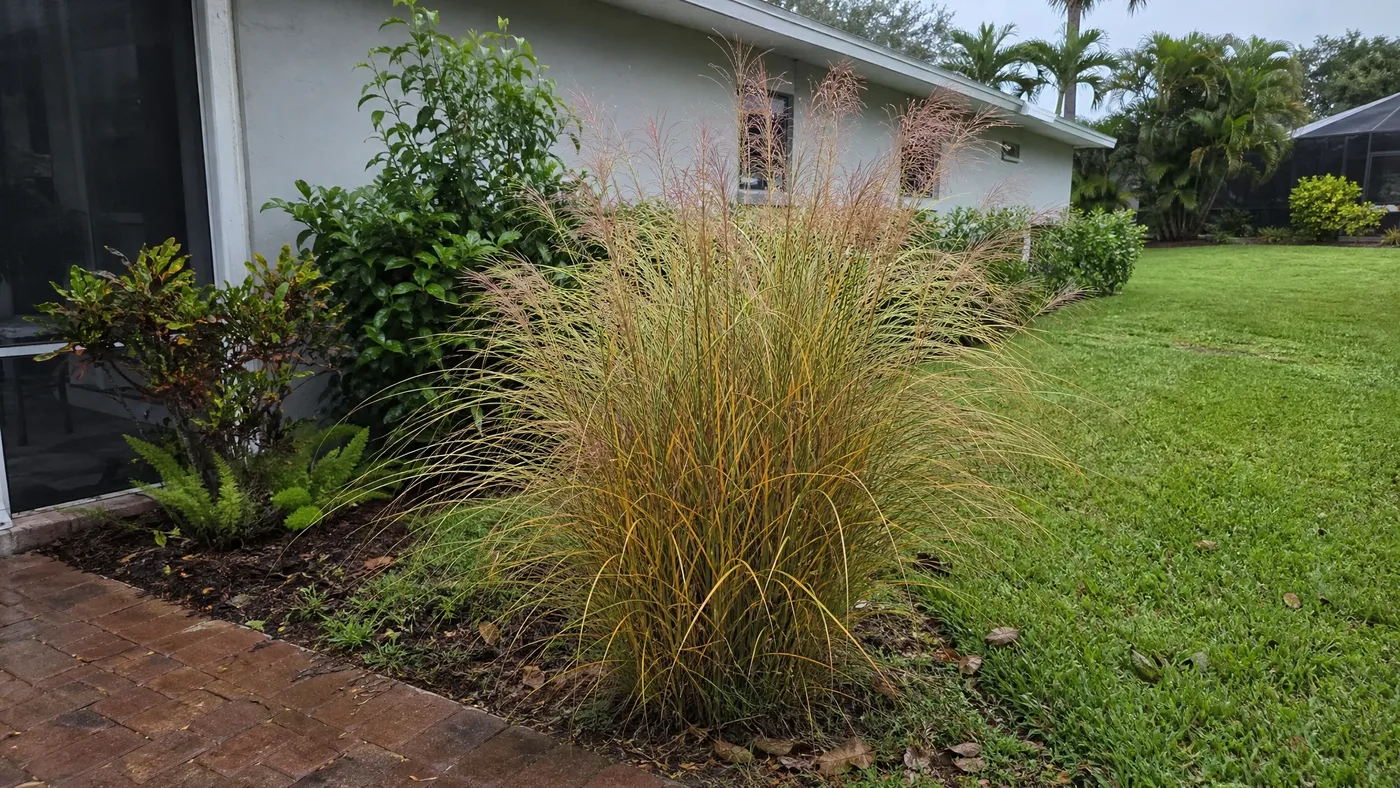
20 Landscape Ideas for Chinese Silver Grass in Your Yard
Chinese Silver Grass rewards you most when you give it space and sun, and it punishes you fastest when you don't. Crowd a clump or tuck it into shade and it flops, blooms poorly and loses the arching fountain shape that makes it worth growing. Put it in the right place and 'Gracillimus' gives you a screen, a focal point or a border backbone with almost no work.
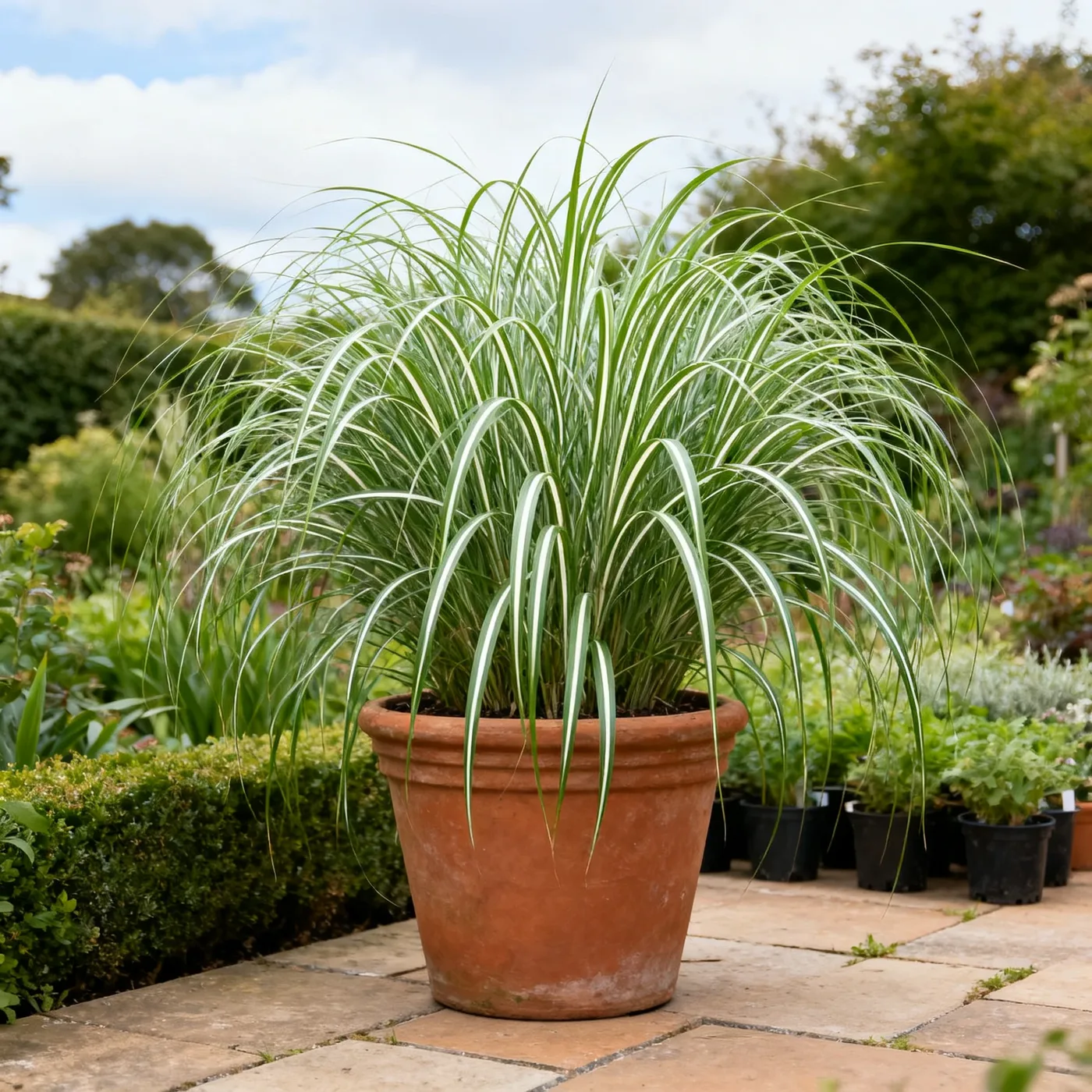
In our rows, the plants that struggle are nearly always the ones planted for looks without a plan for their size. In this article, we'll go through spacing and sun for single plants, rows and slopes, border and meadow companions, and the wildlife, water and cut-stem uses that round out all 20 ideas.
Give Chinese Silver Grass Room: Specimens and Entries
The mistake we see most is a single plant jammed into a spot that is too small or too shady. Get the room and the sun right, and the specimen ideas below mostly take care of themselves.
Siting a Single Specimen Plant
A single, well-sited Chinese Silver Grass specimen plant can anchor a modern landscape design. Site it in an open lawn, surrounded by low groundcover or mulch, and it becomes a living sculpture. Full sun (6+ hours) is essential for best form and blooming.
The arching green foliage creates movement even on still days, and the pink plumes that appear in late summer and fall add seasonal interest without fussy maintenance. This works especially well in minimalist or contemporary garden styles.
Takeaway: Give the specimen at least 5 feet of open ground, because a spread of 5 to 10 feet is listed for 'Gracillimus' and crowding compromises its architectural impact.
One of the most common questions we get is whether the clump will fit a small bed. If the bed is much under 5 feet wide, we point customers to a smaller plant, or to our size and growth rate guide so they can judge for themselves.
Isolate a single Chinese Silver Grass plant in an otherwise open lawn to create a striking sculptural focal point. This approach showcases the plant's arching fountain-like habit and seasonal color changes. Space it far enough from shade-casting trees to ensure full sun (6+ hours) throughout the growing season.
The plant reaches its upright mature height of 5 to 8 feet within a few growing seasons, providing a long-term focal point. The winter seed heads remain attractive through the dormant season.
Takeaway: Site the specimen where it will be visible from key vantage points (patios, windows, entry) to maximize its visual impact.
Minimalist Designs and Paired Entries
A single specimen or small cluster of Chinese Silver Grass can anchor a minimalist landscape design. The clean architectural form, refined texture, and seasonal transformation appeal to contemporary aesthetics without fussy maintenance requirements.
Pair with simple hardscape (gravel, pavers, or mulch) and minimal companion plantings to emphasize the grass's structural elegance. Full sun exposure (6+ hours) is essential for best form.
Frame an entry with a pair of Chinese Silver Grass plants placed symmetrically on either side of a walkway or gate. The fine-textured foliage and arching form create a welcoming yet sophisticated entryway that feels less formal than boxwoods or evergreen pyramids.
Plant these specimens at least 5 feet back from the walkway so the clumps have room to spread without crowding the path. The late-summer bloom color and winter persistence add seasonal character to your home's first impression.
Takeaway: Pair with lower-growing companions like Echinacea (coneflower) or Aster to create a three-tier entry composition.
Screens, Hedges and Slopes in Rows
Rows and drifts are where spacing matters most. Plant these closer than a specimen, so the clumps merge into one wall of foliage.
Check your zone before you plant a row. 'Gracillimus' is hardy in zones 6 through 9, a narrower range than the species, which is listed for zones 4 through 9. If you garden colder than zone 6, read our hardiness zones guide before you buy.
Plant Chinese Silver Grass in a single, dense row to create a living screen between yards. Space plants 30 inches apart for a closed hedge effect. At 5 to 6 feet tall, it blocks sightlines without the rigidity of traditional shrub hedges.
The fine-textured green blades and upright growth form a soft yet effective barrier. Even in winter, the tan seed heads and dried foliage provide year-round screening while adding textural interest that changes with the season.
You will often read that grasses should be spaced at their full mature width. We don't follow that for screens, because gaps take years to close and tight clumps hold each other up.
Takeaway: Space at closer intervals (30 inches) for a faster, denser screen, and use 36 to 48 inches for a more open, contemporary look.
Fence Lines and Slope Cover
Instead of a rigid fence-line planting of shrubs, use Chinese Silver Grass for a softer, more dynamic boundary. Space plants 36 to 48 inches apart along a fence line and allow them to mature into a living backdrop. The fence remains functional while the grass softens its appearance.
This approach creates a naturalistic aesthetic that transitions between your yard and neighbors' properties. The winter interest of dried plumes is especially striking against fence wood or metal.
Takeaway: Plant the grass at least 3 to 5 ft from the fence line to prevent moisture-trapping and allow air circulation around fence posts.
Slopes are the other place we like a row. The next three ideas cover banks, garden-room transitions and mass plantings.
The deep, fibrous roots of Chinese Silver Grass stabilize soil on slopes and banks. Space plants 30 to 36 inches apart on grade to create a fast-growing living slope cover. The plant's high drought tolerance (once established after 1 to 2 seasons) and dense clump growth reduce runoff and sediment loss.
Unlike turf grass, which requires mowing and frequent inputs, this ornamental grass provides one-time establishment care, then performs passively. Plant in spring for roots to establish before the first winter.
Takeaway: On steep slopes, amend soil with organic matter to improve water retention during establishment. Water regularly for the first season.
Zone Transitions and Mass Plantings
Use a drift of Chinese Silver Grass to mark the transition between different areas of the yard, such as from lawn to vegetable garden or from living space to utility area. The plants create a visual break and soften the boundary between zones without a hard fence or wall.
Space plants 30 to 48 inches apart depending on how solid you want the transition to feel. The fine-textured foliage frames views and creates a sense of movement through the garden.
Takeaway: Stagger plants slightly in a curved line rather than planting them in a straight row for a more natural, contemporary look.
Create a bold focal point by grouping 5 to 12 plants in an irregular cluster. This approach maximizes the plant's architectural form and autumn color shift (tan, gold, or copper tones). Space plants 36 to 48 inches apart in mass formations so the clumps knit together as they mature.
A mass planting reaches dramatic scale within 2 to 3 growing seasons. The combined height and movement of foliage creates a dynamic landscape element that captures attention from across the yard and filters wind effectively.
Takeaway: Odd-numbered groupings (3, 5, 7) feel more intentional than paired or even-numbered plantings.
Chinese Silver Grass in Borders, Meadows and Gravel Beds
In a border, the grass is the tall back layer. Plant it first, then fill in around its base with companions that stay shorter.
Position Chinese Silver Grass as the tall, structural backbone in a mixed perennial border. Plant it behind shorter companions like Rudbeckia (black-eyed Susan) or Sedum (stonecrop) to create layered depth. The grass's upright, fountain-like habit provides vertical contrast to mounding neighbors.
This pairing works especially well because all three plants share similar drought tolerance once established. The fine-textured grass foliage softens the bold forms of black-eyed Susan blooms.
Takeaway: Plant companions at the base perimeter of your grass clumps to hide the grass base, which can look sparse as the plant matures.
Design a complete mixed border with Chinese Silver Grass as the tall background layer, Rudbeckia or Echinacea as mid-layer color, and Sedum or low-growing Aster at the front. This tiered approach creates depth and ensures blooms and foliage interest at multiple heights.
All these companions share moderate water needs once established and perform best in full sun. Plant the grass at 36 to 48 inches and set companions at closer intervals around the base, and the border fills in within a few seasons.
Pollinator Layers and Seasonal Interest
While Chinese Silver Grass is wind-pollinated (not a significant pollinator plant itself), it provides structural support and shelter in pollinator gardens. Plant it among bee-friendly companions like Rudbeckia, Echinacea, Aster, and Sedum to create layers and microclimates.
Plan the border around the grass's seasons. The green foliage (spring and summer) shifts to tan, gold, or copper (fall) and persists as dried, silvered stems through winter. The pink plumes of late summer and fall are the peak season for visual impact.
This natural seasonal progression reduces the need for constant replanting or high-maintenance seasonal color schemes. A single well-placed grass plant provides interest across three seasons, simplifying landscape maintenance.
Takeaway: Plant for late-season interest by grouping Chinese Silver Grass with fall bloomers like Aster and Panicum (switchgrass) to extend garden color into November.
Meadow and Gravel Bed Plantings
For a looser look, skip the rows and the tidy edges altogether.
Create a romantic, unstructured meadow landscape by mixing Chinese Silver Grass with native grasses like Panicum (switchgrass) and wildflower companions. Space plants 36 to 48 inches apart in drifts and clusters rather than rows.
Meadow plantings are lower-maintenance than formal borders, requiring minimal fertilizing and pruning. The diverse plant structure creates superior habitat and visual complexity.
Takeaway: Avoid mowing or heavy intervention and let the planting mature naturally. Cut back the entire meadow once a year in late winter or early spring before new growth.
A gravel bed is the opposite style, and the grass suits it just as well.
Plant Chinese Silver Grass in a gravel or stone garden bed where its fine-textured foliage and architectural form are framed by clean hardscape. The grass's drought tolerance (once established) and adaptability to well-drained soil make it ideal for low-water landscape designs.
Pair with drought-tolerant companions like Sedum to create a cohesive, low-maintenance garden that looks striking year-round.
Takeaway: Use gravel mulch instead of organic mulch to maintain the contemporary aesthetic and reduce moisture retention (good for this grass's preference for well-drained soil).
'Gracillimus' is not fussy about soil. It grows in chalk, clay, loam or sand, as long as drainage is good. Our soil guide covers the details.
Wildlife, Water Edges and Winter Structure
This is where the grass earns its keep out of season. The winter stand matters more than the summer one, so plan around it.
The dense clump growth and persistent winter foliage of Chinese Silver Grass provide shelter and nesting material for birds and overwintering insects. The tall structure creates protected microhabitats that support urban and suburban wildlife even in harsh winters.
Plant in groups or drifts rather than isolated specimens to maximize refuge area. Leave the winter foliage standing until late winter (cut back in late winter/early spring before new growth emerges) to preserve wildlife habitat. The stems you cut then make useful mulch or animal bedding.
Plenty of advice says to cut ornamental grasses to the ground in fall. We don't. Standing stems shelter insects and hold their shape through snow, and the dead foliage and old flowered stems can come off in spring. Our cut-back guide covers the timing and the tools.
Takeaway: Avoid cutting the grass back in fall. The winter structure shelters wildlife and also gives excellent visual interest in the dormant landscape.
Deer rarely bother it either, since the species is tagged deer resistant, so it is a safe pick near woods.
Softening Ponds and Rain Gardens
At a pond, stream or rain garden, the same stand does double duty.
Use Chinese Silver Grass to soften hard edges around ponds, streams, or rain gardens. While it prefers well-drained soil and is drought-tolerant once established, the grass thrives in the moisture-rich soil typical of water garden edges. Plant 30 to 48 inches from the water line.
The pink plumes of late summer and fall and the winter seed heads mirror beautifully in water features, doubling their visual impact. The tall clumps also provide shelter for birds and beneficial insects.
Takeaway: Avoid waterlogging. Plant on slopes or edges where water drains naturally, not in standing water.
Chinese Silver Grass in Pots and in Vases
Two smaller uses finish the list. One keeps the grass on a patio, and the other brings its plumes indoors.
Chinese Silver Grass performs well in containers for a season or two, though long-term performance is better in the ground. Use a large container (at least 12 inches diameter, better at 18 inches or larger) filled with well-drained potting soil. Place in full sun (6+ hours) and water regularly during the growing season.
Container plantings are ideal for renters, seasonal garden experiments, or temporary focal points on decks and patios. The fountain-like form and light movement of the foliage soften hard patio edges beautifully.
Takeaway: Container-grown plants won't survive outdoors indefinitely in colder zones, so either bring them inside or treat them as annual displays and refresh yearly.
Harvest the flowering plumes (late summer through fall) for long-lasting dried arrangements. Cut stems when the plumes are fully emerged and starting to mature, and they dry upright on the stem. The pink color fades gracefully to buff and tan as they dry.
A mature clump produces dozens of harvestable stems annually without harming the plant. This is an economical alternative to purchasing dried flowers, and the plumes last for months indoors.
Takeaway: Don't cut more than one-third of stems from any plant to maintain its appearance and allow some plumes to stand for winter interest.
Quick Reference: Chinese Silver Grass Planting and Design Checklist
Use this table as a quick check before you choose a spot and a design.
| Design Consideration | Recommendation |
|---|---|
| Spacing for screens | 30 inches apart for dense effect |
| Spacing for mass plantings | 36 to 48 inches apart |
| Mature height (foliage) | 5 to 6 feet |
| Mature height (upright habit with flowers) | 5 to 8 feet |
| Mature spread | 5 to 10 feet wide |
| Full sun requirement | Minimum 6 hours daily |
| Bloom period | Late summer and fall |
| Hardiness zones | 6 to 9 |
| Time to mature size | A few growing seasons |
| Pruning timing | Late winter or early spring before new growth |
| Best planting season | Spring, after last frost |
| Companion plants | Rudbeckia, Sedum, Echinacea, Aster, Panicum |
| Water needs (established) | Quite drought tolerant once established |
| Deer resistant | Yes, tagged deer resistant |
| Winter interest | High, stands through winter until cut back |
Plant Chinese Silver Grass Once and Let It Work
Give it room, full sun and a late-winter haircut, and Chinese Silver Grass does the rest. Pick the design that fits your space, whether that is a single specimen, a mass planting or a mixed border, then leave the clump alone. For complete planting and care instructions, see our Chinese Silver Grass care guide.
Chinese Silver Grass
Nursery-grown Chinese Silver Grass in sizes from 1 Gallon, shipped to your door.
From $33.97
Shop Now →As a small grower, we hear about every clump squeezed against a wall or shaded by a maple, so we put placement ahead of everything else. We raise top-quality grasses and other plants on our own farms. We're a small business, and a clump that thrives in the right spot is the result we're after.